
Filter your Feed and Not your Food
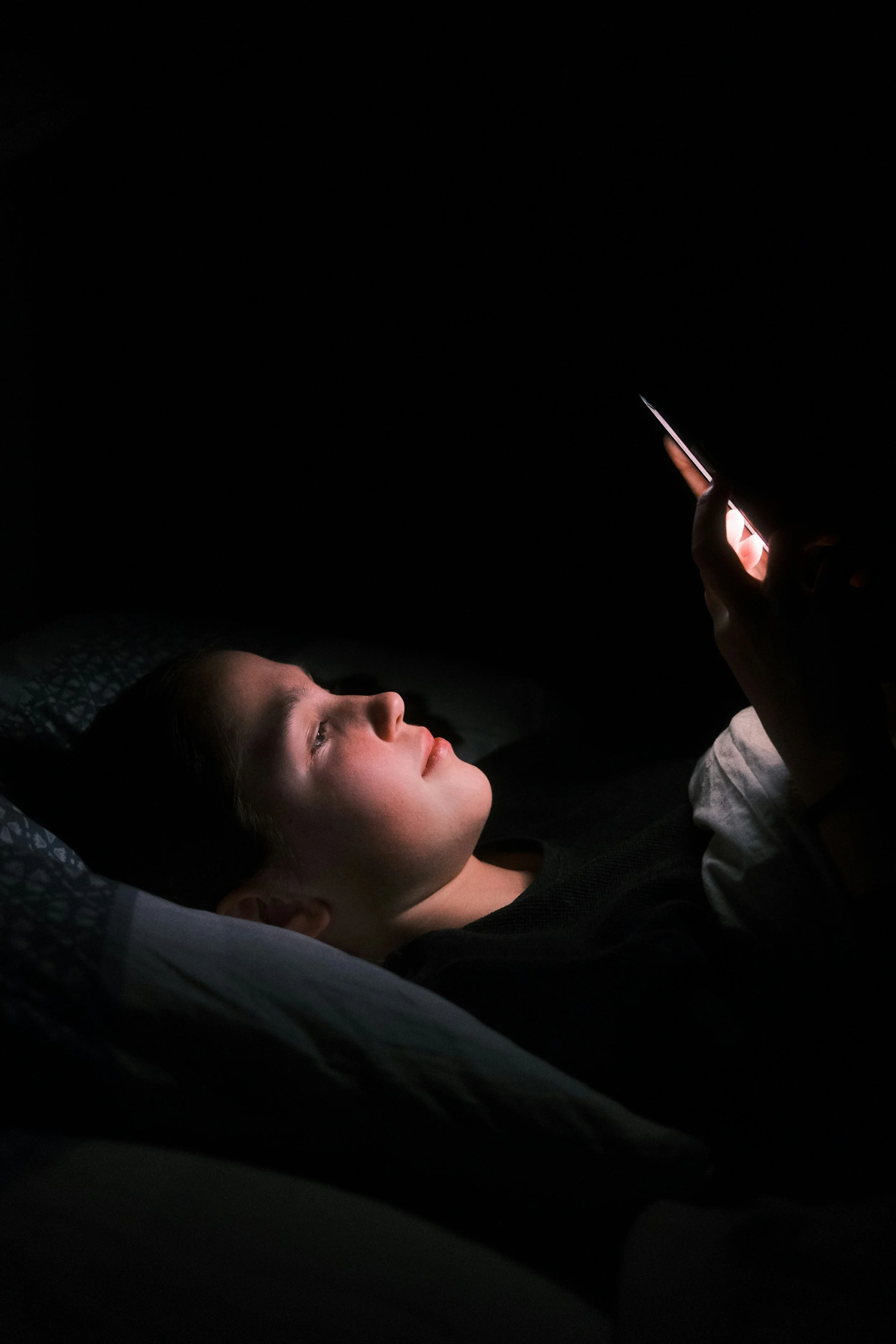
Opening social media for any reason can be extremely overwhelming. If it’s not a brand trying to sell you something, it’s negative news outlets, unsolicited updates from past acquaintances or the worst of the worst…the twenty-something year old “wellness” influencer posting her breakfast that is big enough to keep a rabbit full for a few hours. And to make matters worse, she seems to have all of the answers for why you don’t like the way you look, and if you follow her extremely restrictive and out of touch protocol maybe, just maybe, you’ll end up looking like her by the time bikini season hits.
It’s all bullsh*t. While social media has become a wonderful platform for increasing health advice accessibility, there has been zero regulation on the 98% of nutrition misinformation out there. Yes, that's right, only 2% of nutrition information that exists on the internet is accurate.
Why does this matter? Well it matters because what “sells” online is the extreme and exciting anecdotal evidence that doesn’t translate into real life. But when all we’ve been trained to do is measure our self worth through a lens of body size, we so desperately want to achieve the “body of our dreams” and will do what it takes to get there. So we revert to trends. Some trends are particularly damaging. What comes to mind are the What I Eat In A Day (WIEIAD) videos, when content creators capture content of their meals and post them in a cute little video montage with the latest trending audio to increase engagement.
Here’s the issue with that. The WIEIAD videos have no context behind them and can leave the audience feeling guilty and questioning their own food, portion and macronutrient choices. In a conversation with a friend she expressed her own inner dialogue after watching a WIEIAD, as the content creator only included about 2 chocolate covered strawberries compared to the 5 or 6 that my friend would’ve. Here’s the issue, as a savory lover, I may also include 2 chocolate covered strawberries out of pure preference, but no one across the screen of an iphone would know that, and would just internalize my lack of chocolate covered strawberries in a guilty way for wanting more. Beyond that, you don’t know the content creator’s relationship with food, their activity level, their nutrition security level or anything else about them other than 30 seconds of food that they ate (or didn’t eat and faked it) that day. Who knows?!
The moral of the story is that social media is fake, and your nutrition advice and feelings about your own body image shouldn’t be influenced by the stranger across the screen. It's hard, but resist the urge to get sucked into promotional content creation and seek out professionals who have been thoroughly trained to work with clients on their own personalized goals.