
It's a Process
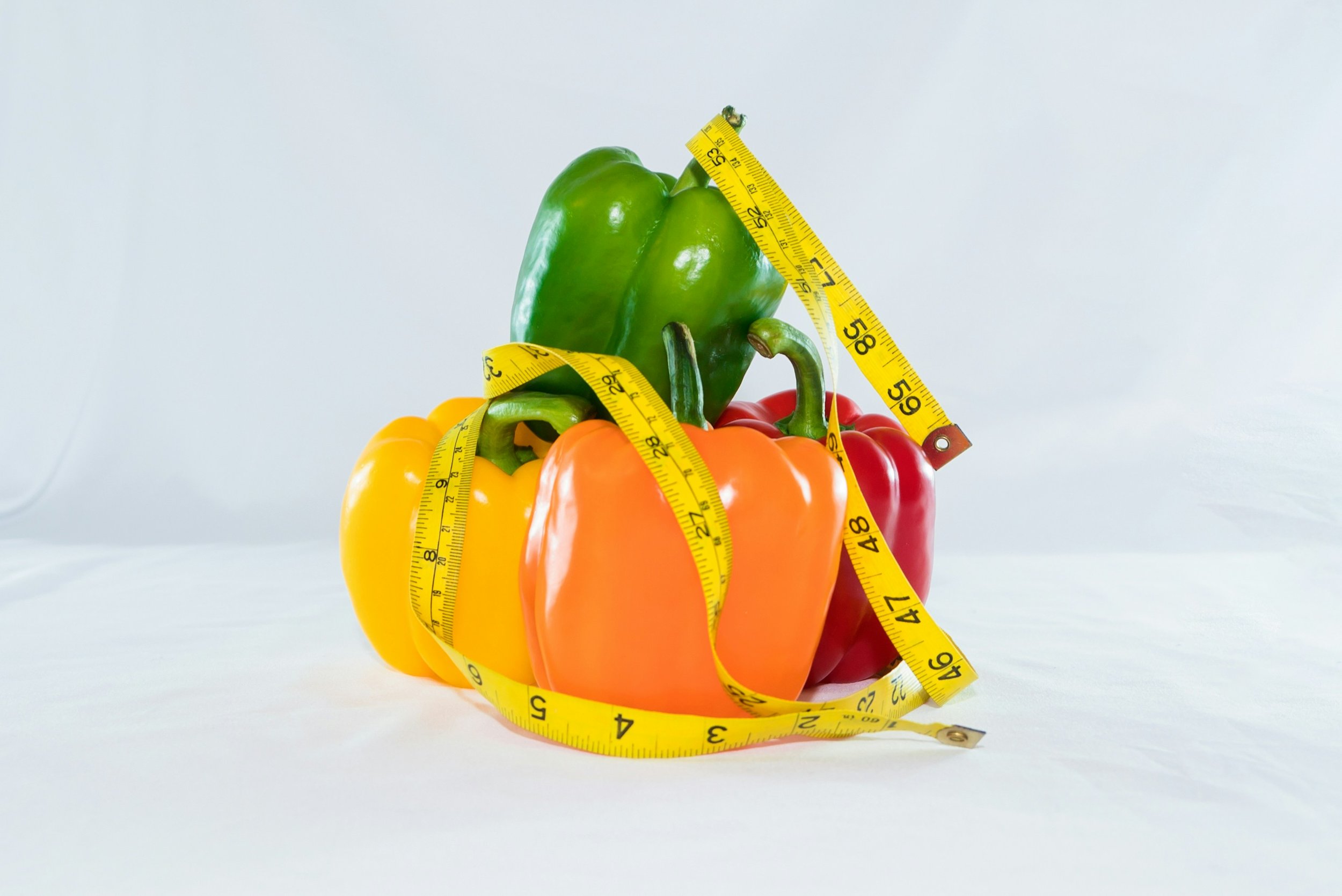
Eat clean, eat whole foods, drink water, get your fiber, hit your protein, but never ever eat processed foods. Processed foods have been depicted as the enemy in the food world. But what is processed food? What does it mean to be processed, and are they really that bad?
If you think about it, a lot of “good” foods, or foods of superb nutritional value, have gone through some degree of processing. Tuna? Well, that's been canned…or processed. That cheese stick that's a complete protein and an excellent source of calcium? Well that's also been processed. This issue with the language around processed foods isn’t the processing itself, it's the bucketing of foods of good or bad based on if they are “processed” or not.
Instead of looking at things as processed or not, taking a step back to look at the overall nutritional context may make more sense. If a packaged food is high in added sugar, sodium and saturated fat, that may be used as a signal to indulge in moderation. But if your cheese sticks, whole grain bread, tomato sauce are sending alarm bells off in your head because it wasn’t homemade or plucked from the ground, take a minute and question, where is this fear coming from?
It is true, our food culture can be overwhelming and when we are constantly exposed to colorful advertisements and misleading marketing encouraging unhealthy diets, it does make consumers want to totally reject anything that comes in crinkly plastic and stick to their roots (literally and figuratively). But don’t lose sight of the fact that processing has made food safe, it’s made food last longer, made food convenient and made food accessible. When it comes to processing, think critically about the food as a whole, the purpose it serves, and how it doesn’t have to be a black and white and shape any morality around food.